Staying Safe While Traveling Alone: A Practical Guide
Traveling alone offers a unique opportunity for self-discovery and independence, but it also requires a heightened level of attention to personal safety. Without a companion to rely on, solo travelers must take proactive steps to minimize risks and ensure a smooth journey. This article provides a practical framework for navigating the complexities of solo travel, focusing on preparation, accommodation selection, and situational awareness. By understanding these core principles, travelers can approach their adventures with confidence and clarity.
The guidance presented here is not about instilling fear, but rather about fostering a mindset of preparedness. Safety in solo travel is not a guarantee, but a continuous process of assessment and adjustment. Factors such as destination, local customs, and individual circumstances all play a role in shaping one’s safety strategy. This guide aims to equip travelers with the knowledge and habits that can contribute to a more secure travel experience, recognizing that every situation is unique.
Pre-Trip Preparation: Building a Safety Foundation
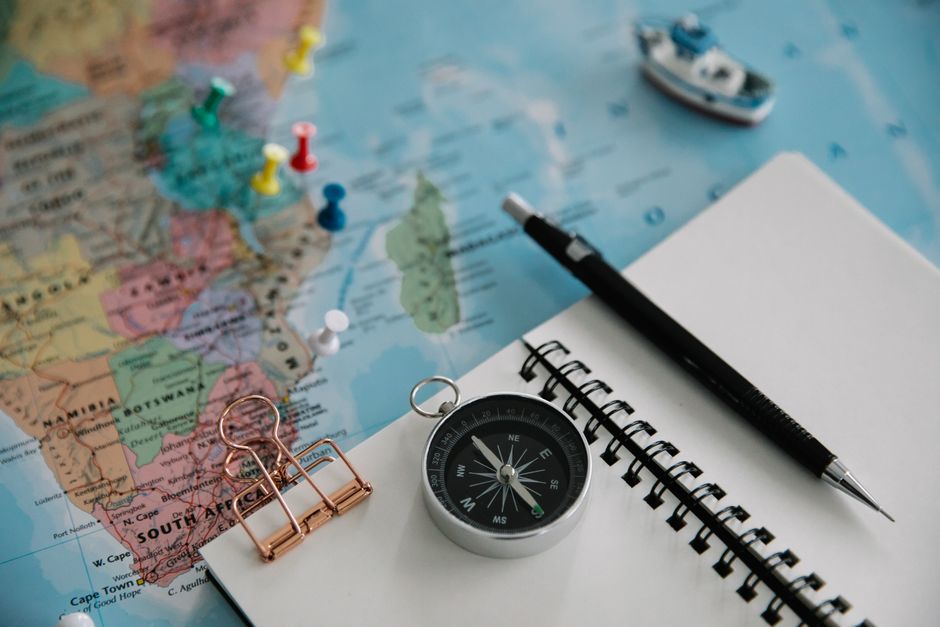
Effective safety management begins long before departure. Thorough research and planning are essential components of a safe solo journey. Travelers should start by examining the safety reputation of their chosen destination, including common scams, areas to avoid, and local emergency protocols. Government travel advisories and reputable travel forums can provide valuable insights, but they should be viewed as one piece of the puzzle.
It is also recommended to share detailed itineraries with trusted contacts back home. This includes information about accommodation addresses, planned activities, and expected durations. Setting up a regular check-in schedule can provide peace of mind for both the traveler and their loved ones. Additionally, travelers should ensure they have access to necessary documentation, such as passport copies, travel insurance details, and emergency contact numbers, stored both physically and digitally.
Health considerations are another aspect of pre-trip preparation. Visiting a travel health clinic for advice on vaccinations and necessary medications may be prudent. Packing a basic first-aid kit and any personal medications in carry-on luggage is a simple yet effective measure. Preparing for the unexpected reduces the need to make rushed decisions in unfamiliar environments.
Choosing Safe Accommodations: Prioritizing Location and Security
Accommodations can significantly influence a solo traveler’s sense of security. When researching places to stay, the location is of paramount importance. It is wise to select neighborhoods that are well-populated, well-lit, and have easy access to public transportation. Reviews from other solo travelers, particularly those of the same gender, can offer valuable perspectives on safety and ambiance.
Security features of the accommodation itself are also critical. Looking for properties with 24-hour front desks, secure entry systems, and in-room safes can enhance peace of mind. For those staying in shared accommodations like hostels, checking the locker provisions and the general atmosphere is advisable. Reading recent reviews can reveal patterns regarding cleanliness, staff behavior, and any safety concerns.
Another consideration is the flexibility of bookings. Opting for accommodations that allow free cancellation or offer flexible change policies can be advantageous if plans shift or if the initial choice does not feel right upon arrival. Trusting one’s instincts is crucial; if a place feels unsafe or uncomfortable, it is acceptable to seek alternative arrangements. Investing time in this selection process can contribute to a more restful and secure stay.
Situational Awareness: Staying Alert in Public Spaces
Maintaining situational awareness is a fundamental practice for solo travelers. This means being conscious of one’s surroundings, noticing details, and anticipating potential issues before they arise. Simple habits, such as keeping one’s head up and avoiding distractions like excessive phone use, can make a significant difference. Walking with purpose and confidence can also deter unwanted attention.
In crowded areas, such as markets, train stations, or popular attractions, petty crime can be a concern. Travelers should secure their belongings, using zipped bags and keeping valuables out of easy reach. It is also advisable to avoid carrying large amounts of cash and to spread out important documents or cards in different pockets. Being aware of common scams in the area can prevent falling victim to them.
At night, the level of alertness should be adjusted accordingly. Opting for well-lit streets and avoiding isolated areas, even if they are shortcuts, is recommended. Using reputable transportation services or ride-hailing apps that provide driver details and trip tracking can add an extra layer of safety. Listening to one’s intuition is a valuable tool; if a situation feels off, it is better to remove oneself from it promptly.
Leveraging Technology for Safety
Modern technology offers a range of tools that can enhance solo travel safety. Smartphones can be used to share live locations with trusted contacts, a function that many messaging apps provide. Also, several safety apps are specifically designed for travelers, offering features like emergency alerts, virtual check-ins, and local emergency numbers.
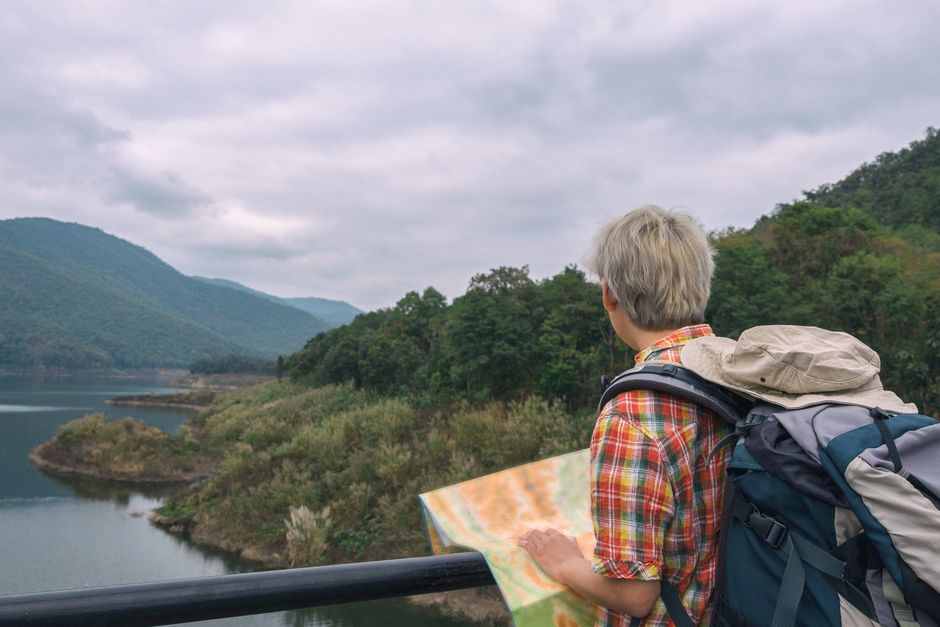
Before relying on technology, it is essential to ensure that devices are fully charged and that offline maps are downloaded for the destination. This ensures that travelers can navigate even without a data connection. Additionally, keeping a portable power bank handy can prevent devices from dying at critical moments.
However, technology should not replace basic safety practices. Over-reliance on devices can lead to lapses in attention. It is important to strike a balance between using technological aids and maintaining the human skills of observation and judgment. Technology is a supplement to, not a substitute for, sound practices.
Cultivating a Safety Mindset
Ultimately, safe solo travel is as much about mindset as it is about specific actions. Developing a habit of planning ahead, trusting instincts, and making informed decisions contributes to a more secure journey. Travelers should also consider their own comfort levels and limits, choosing activities that align with their personal risk tolerance.
Another aspect of a safety mindset is understanding that safety is dynamic. Circumstances can change, and adaptability is key. This might mean altering routes due to unforeseen events or adjusting plans based on new information. Being open to change without compromising one’s principles is a skill that can be honed over time.
Finally, it is important to acknowledge that no set of precautions can eliminate all risks. Safety in solo travel is a continuous process that involves preparation, awareness, and adaptability. By incorporating these practices into their travel routines, individuals can focus on the enriching experiences that solo travel offers, while being as prepared as possible for the challenges that may arise.